Adventures in Learning
Our programs invite children to explore, imagine, and grow through meaningful experiences that support every stage of development. Each age group enjoys a curriculum designed to nurture confidence, create joy, and encourage natural curiosity. Families can discover what makes each program unique and how we support children from infancy to kindergarten.

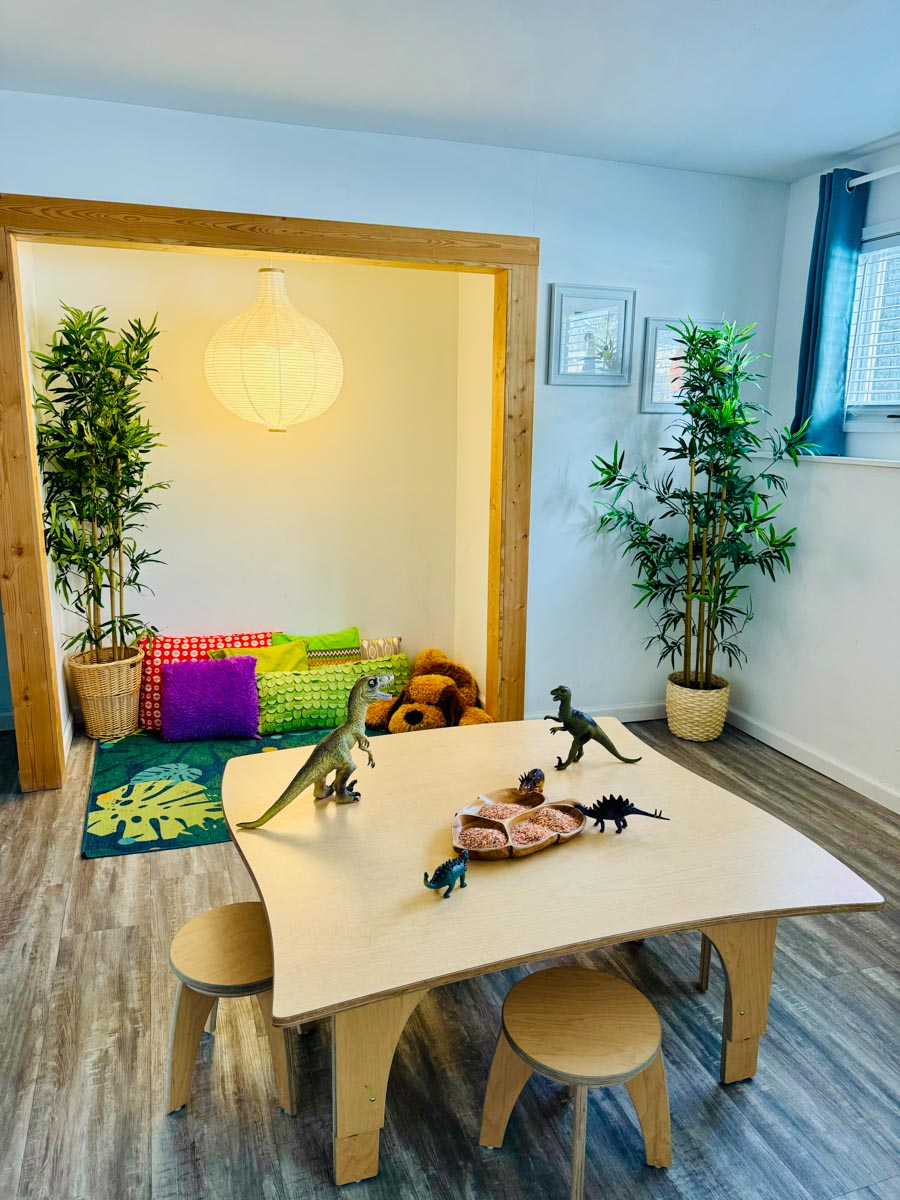
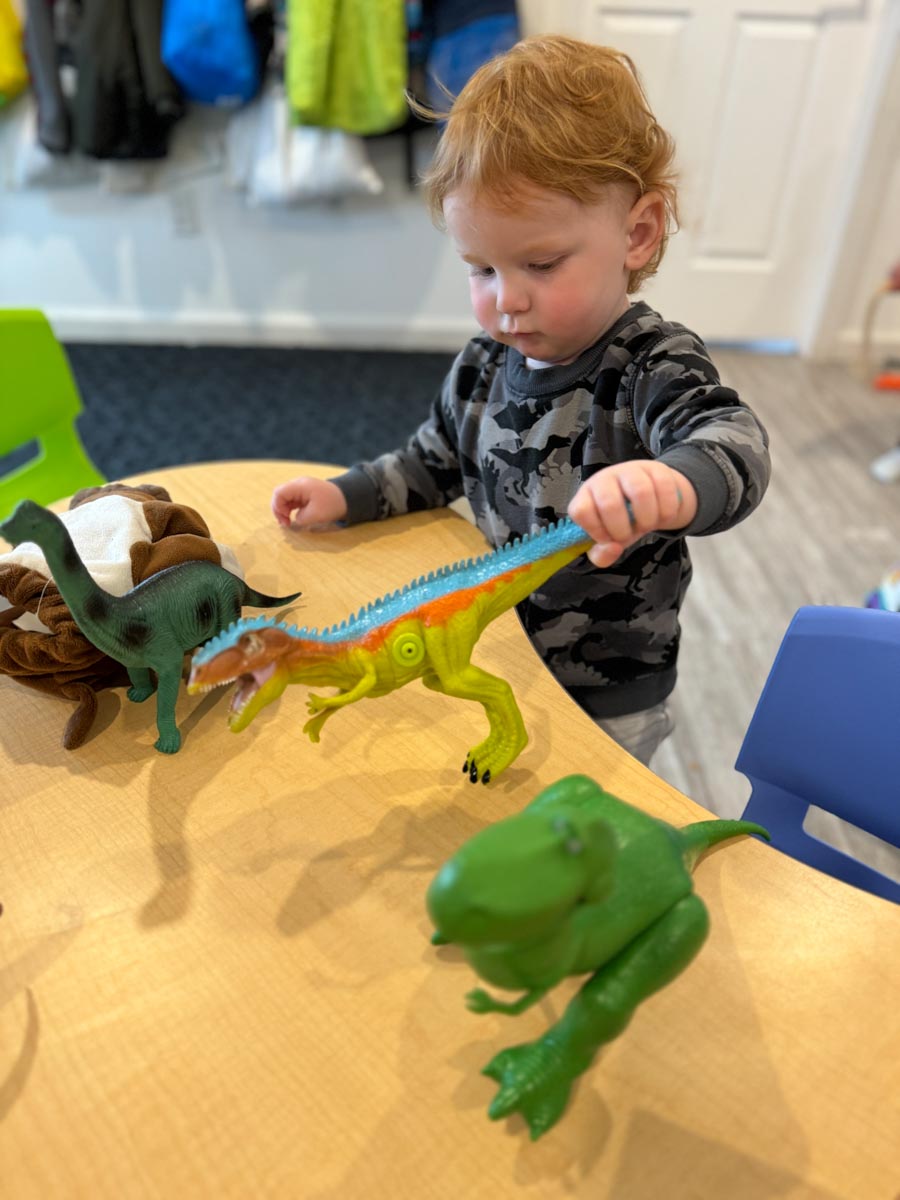
Age Groups
Infants
Under 12 Months
Our infant program offers a warm and gentle introduction to early learning. Babies enjoy secure routines, close connections with caregivers, and sensory experiences that support healthy development. Every moment is guided by comfort, trust, and responsive care.
Daily Routines
Consistent routines help babies feel safe, calm, and supported throughout the day.
Sensory Exploration
Soft textures, calming sounds, and age-appropriate materials encourage early curiosity.
Emotional Connection
Educators build strong bonds through nurturing interactions and responsive caregiving.
Comfort and Soothing
Gentle rocking, soft music, and nurturing routines help babies feel calm, secure, and supported throughout the day.
Movement and Balance
Safe spaces for climbing, crawling, and exploring help strengthen growing bodies.
Language Growth
Songs, stories, and conversations encourage early vocabulary and communication skills.
Early Social Play
Children begin engaging with peers through simple games and shared activities.
Creative Learning
Art, music, and sensory play introduce creative thinking and self-expression.
Hands On Discovery
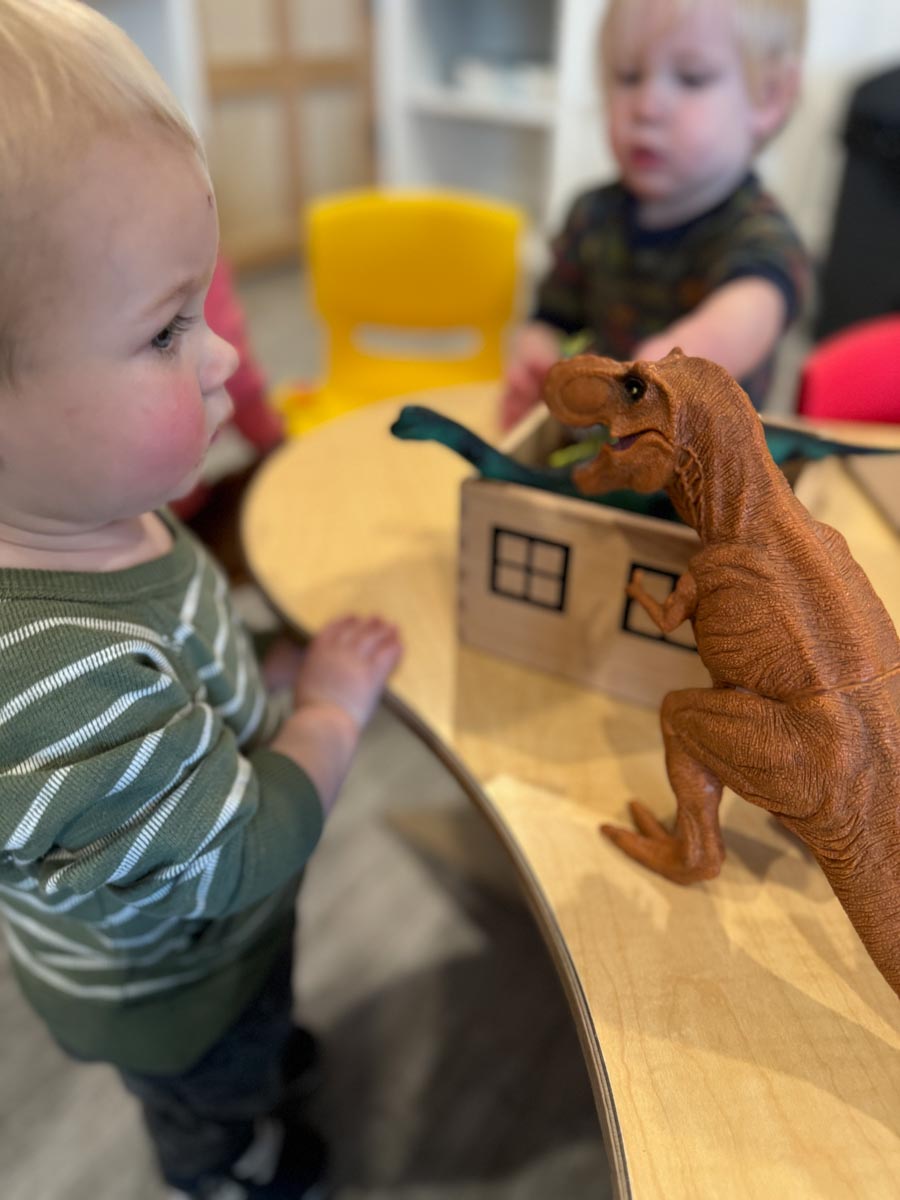
Children explore age appropriate materials that encourage curiosity, sensory development, and early problem solving.
Older Infants
Between 13-18 Months
Children in this age group begin to explore the world with growing confidence. Our older infant program blends play and discovery to support physical development, early communication, and social awareness. We create learning moments that feel joyful and natural.
Toddlers
19 Months - 3 Years
Toddlers are full of energy and curiosity. Our toddler program encourages exploration, independence, and discovery. Children learn through hands-on experiences that build problem solving, cooperation, and confidence in their growing abilities.
Learning Through Movement
Toddlers engage their whole bodies in play that supports strength, coordination, and energy release.
Emotional Awareness
Educators help toddlers recognize and express feelings while learning calming strategies.
Imaginative Play
Pretend play and open ended materials allow children to explore ideas, roles, and creativity.
Early Decision Making
Choice based activities help toddlers practice making simple decisions and understanding outcomes.
Growing Independence
Toddlers learn to try new tasks with guidance, including self feeding, tidying up, and simple classroom routines that build confidence.
Early Academics
Children participate in activities that build early reading, writing, and number recognition.
Creative Thinking
Open-ended projects encourage imagination, teamwork, and creative solutions.
Preparation for Kindergarten
Structured routines help children develop independence and readiness for school.
Community and Friendship
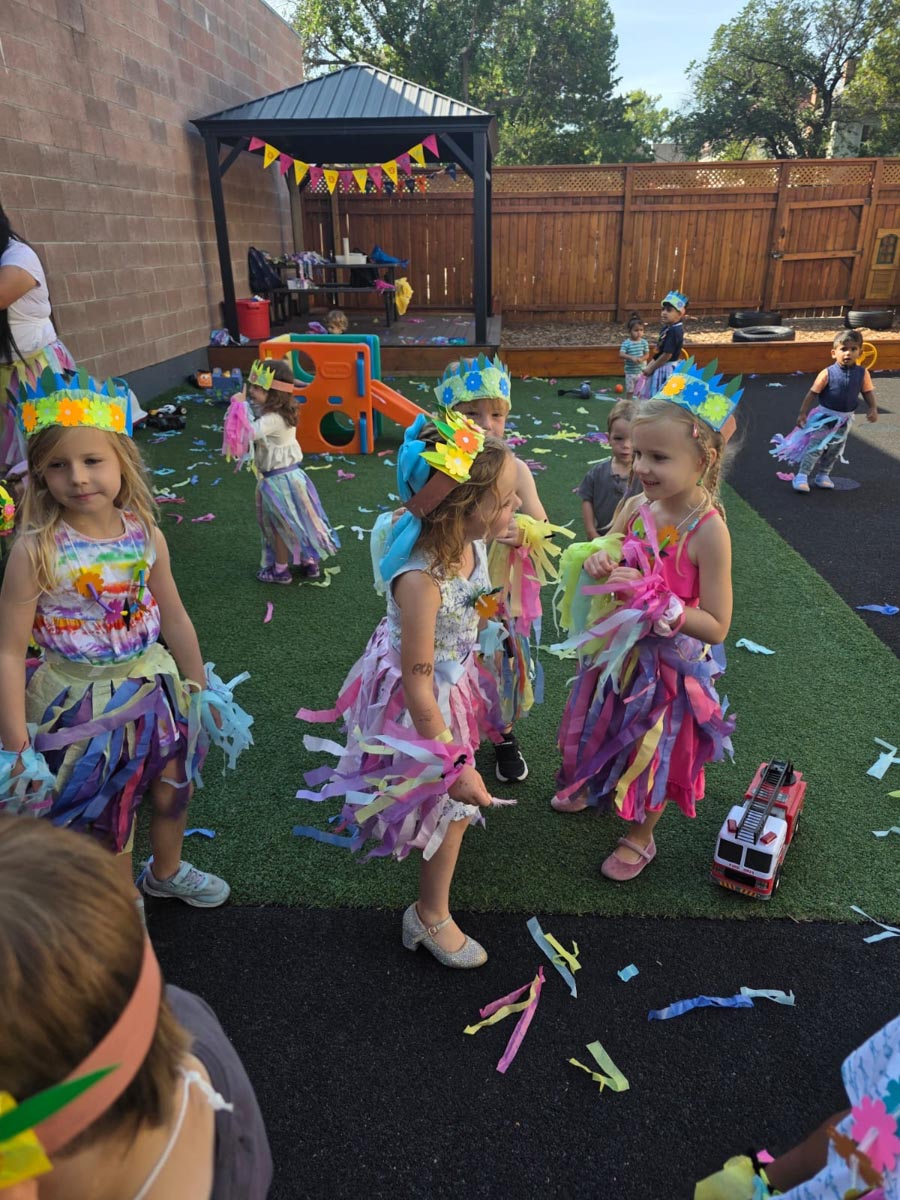
Children develop strong social skills through group projects, shared activities, and cooperative play that promote kindness, teamwork, and positive relationships.
Creative Projects
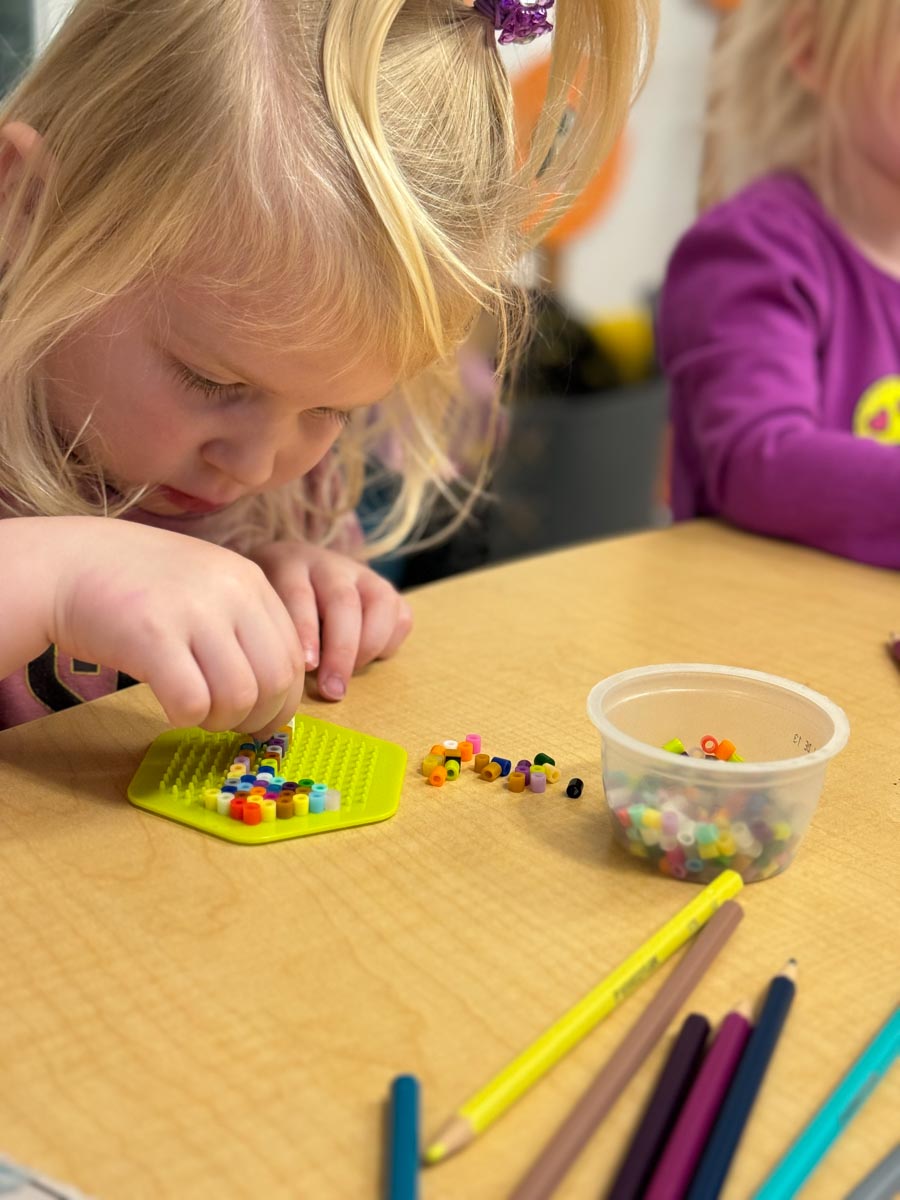
Preschoolers express their ideas through hands on work with paint, storytelling, building materials, and imaginative play that encourages creativity and early problem solving.
Preschoolers
3 Years - 5 Years
Our preschool program prepares children for future learning by building strong foundations in literacy, numeracy, problem solving, and creative thinking. Through engaging activities and guided play, children gain confidence in their abilities and develop a love for learning.
Kindergarten
5 Years and up
Kindergarteners are growing into confident, capable learners ready to take on new challenges. Our program supports school readiness by encouraging critical thinking, creativity, and collaboration through engaging, age-appropriate activities. Children build independence, strengthen academic foundations, and develop the confidence they need for a successful transition into elementary school and beyond.
Independent Learning Habits
Children practice managing materials, following schedules, and completing activities with growing confidence.
Problem Solving Strategies
Guided challenges encourage children to think critically and explore multiple solutions.
Group Collaboration
Children participate in shared projects that promote teamwork and respectful communication.
Focused Learning Time
Structured activities help children build attention, persistence, and task engagement.
Self Confidence Development
Encouragement and reflection help children recognize their strengths and feel proud of their progress.
Our Approach to Early Learning
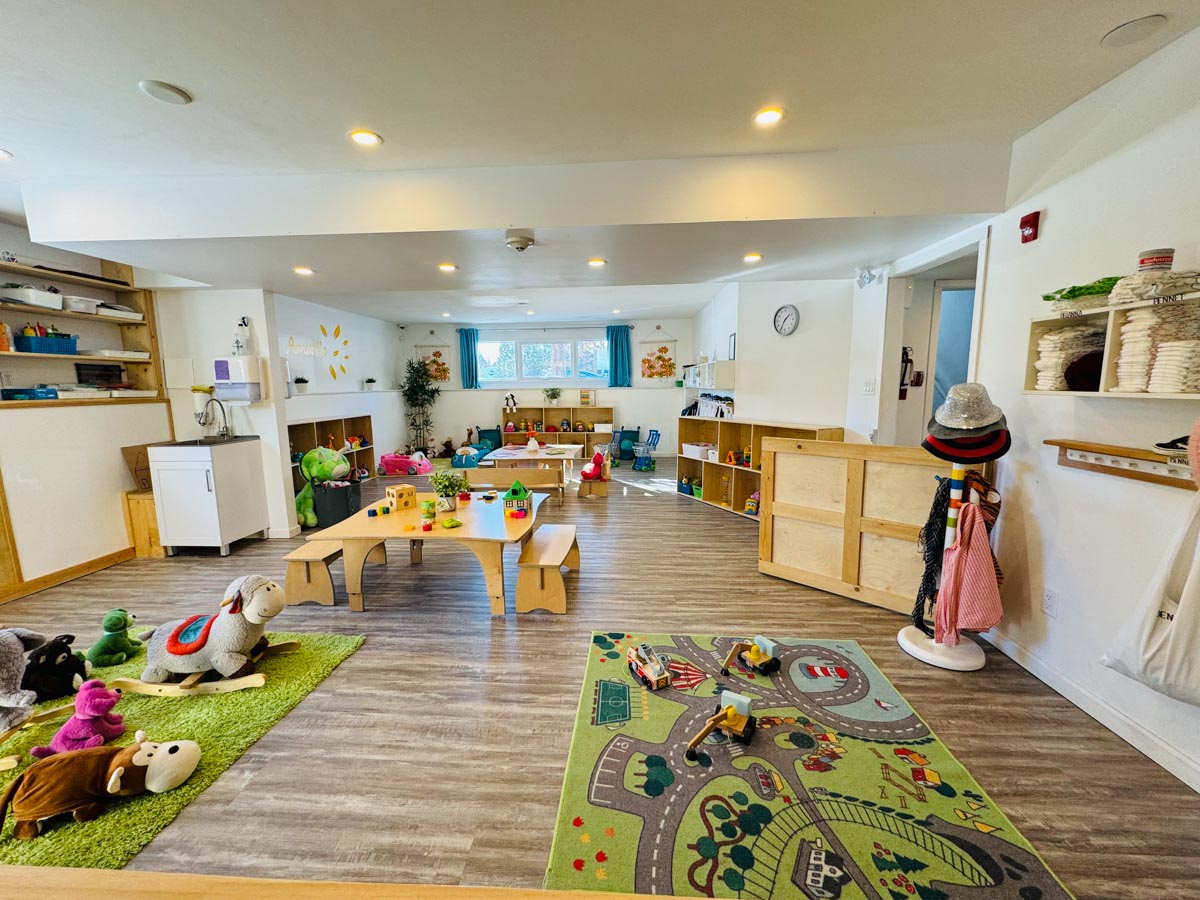
Our philosophy is rooted in the belief that children learn best through experiences that feel meaningful and joyful. We support the whole child through programs that nurture emotional well-being, encourage curiosity, and help children feel confident in their growing abilities.
Guided by Compassion
Every educator creates a welcoming atmosphere where children feel seen and valued.
Environments That Inspire
Classrooms are designed to encourage exploration and allow children to learn at their own pace.
Our programs reflect strong early learning principles that support social, emotional, cognitive, and physical development.
We believe children thrive when they feel safe, engaged, and encouraged to try new things.
Bilingual Learning for Growing Minds
Our bilingual program introduces children to both English and Spanish through natural, play-based experiences. Children hear the languages woven into songs, stories, classroom routines, and daily conversations. This approach supports early brain development, encourages confidence, and helps children build strong communication skills.
Natural Language Exposure
Children learn new words and phrases through music, storytelling, and joyful interactions with educators.
Strong Cognitive Benefits
Bilingual learning supports memory, problem solving, and flexible thinking in young children.
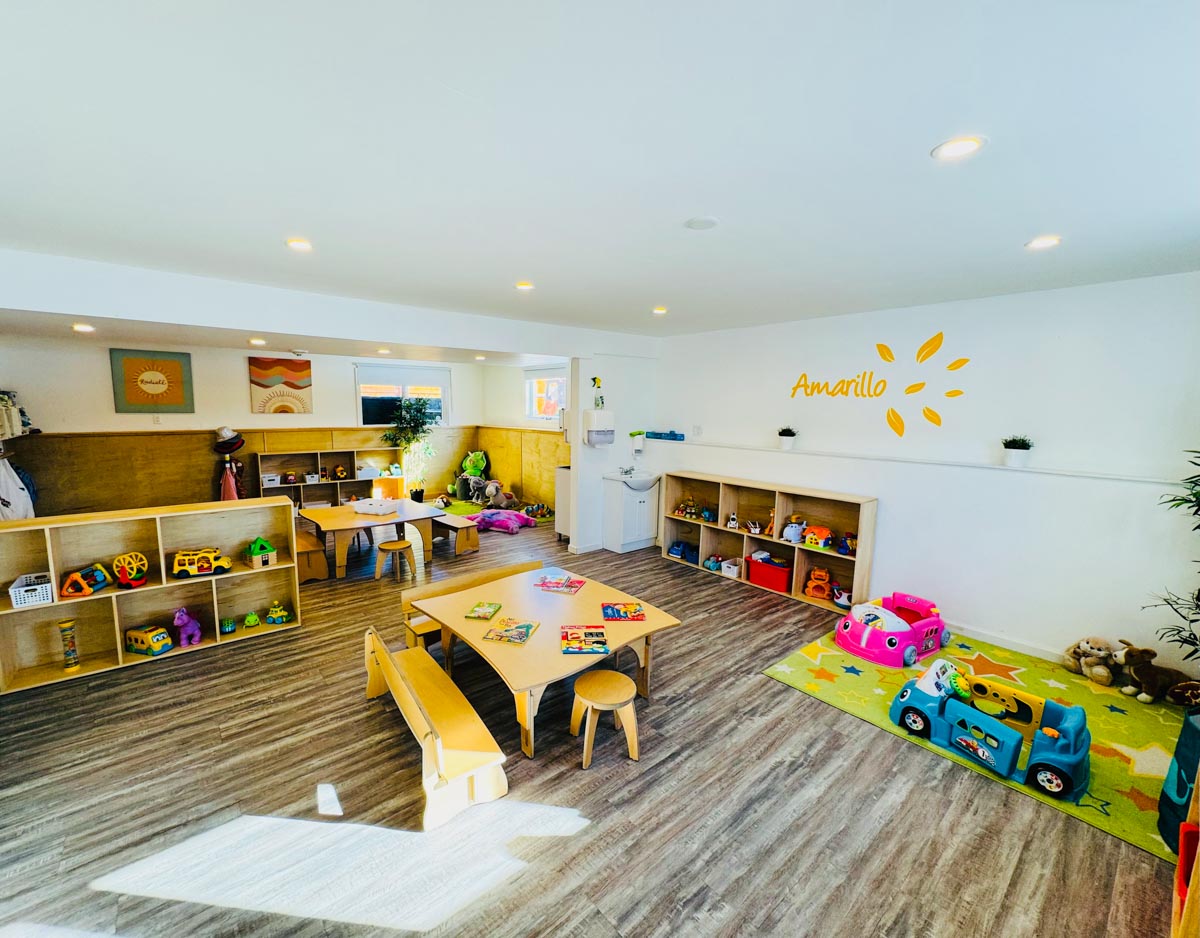
This foundation prepares children for future learning and fosters a greater appreciation for culture, communication, and diversity.
Our educators introduce both languages in ways that feel engaging, warm, and age appropriate.