
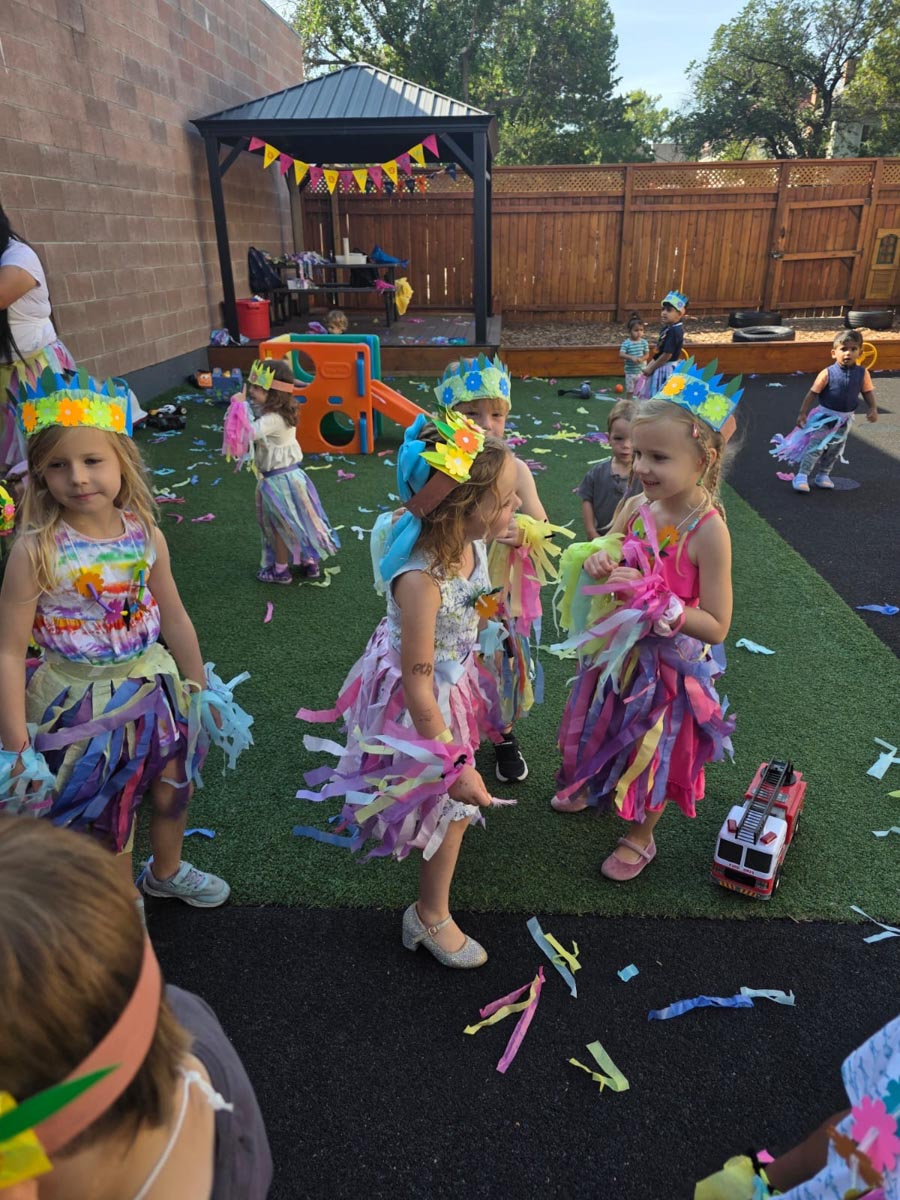
Social skills are an important part of early childhood development. From learning to share toys to expressing feelings and building friendships, children develop the skills they need to interact with others through everyday experiences. A quality childcare environment can provide valuable opportunities to practice these skills through play, group activities, and relationships with other children and caring adults.
For parents considering childcare, social development is an important part of the learning experience. Everyday interactions at a childcare centre can help children become more comfortable communicating, cooperating, and building relationships with others.
What Are Social Skills in Early Childhood?
Social skills help children communicate, cooperate, understand others, and form positive relationships. During the early years, these abilities are still developing, and children need time and practice to become comfortable with different social situations.
Important social skills include:
- Communication: Expressing needs, sharing ideas, and listening to others.
- Cooperation: Working together and taking turns.
- Empathy: Beginning to recognize how other people may feel.
- Conflict resolution: Learning how to handle disagreements.
- Emotional regulation: Identifying feelings and gradually learning to manage them.
Children develop these skills at different rates. Some eagerly join group activities, while others need more time to feel comfortable. A supportive childcare setting can give children opportunities to practice at their own pace.
1. Learning to Share and Take Turns
Sharing can be challenging for young children, particularly when they are excited about a favourite toy or activity. Understanding that other children have their own wants and needs takes time.
Childcare provides regular opportunities to practice these skills. Children might take turns using art supplies, build something together, or wait for their turn during a group game.
With gentle guidance from childcare educators, children can begin to understand fairness, patience, and cooperation. The goal is not to expect perfect sharing every time, but to help children gradually recognize others' needs and participate positively in group activities.
2. Building Communication Skills
Young children are learning how to express what they want, explain their ideas, ask questions, and understand others. Interactions in a childcare environment give them opportunities to practice these abilities throughout the day.
Children might explain their plan during pretend play, invite a friend to join an activity, or tell an educator they need help. Conversations during stories, creative activities, and group discussions can also encourage children to listen and respond.
Childcare educators can support communication by modelling respectful language, giving children time to express themselves, and helping them find the words they need. Over time, these experiences can help children become more comfortable sharing their thoughts and needs.
3. Developing Empathy and Understanding Emotions
Recognizing emotions is another important part of social development. Young children gradually learn to identify their own feelings while beginning to understand that others may feel differently.
For example, a child might notice that a friend is upset after a toy breaks or feel excited when another child joins their game. These moments create opportunities to discuss feelings, kindness, and how actions affect others.
In childcare, educators can help children name emotions and consider helpful responses, such as checking on a friend or finding a kind way to include someone in play.
Empathy develops gradually through positive examples, supportive relationships, and repeated experiences. Children benefit from having trusted adults who help them understand emotions without expecting them to know how to respond in every situation.
4. Practicing Teamwork Through Play
Play is more than a way for children to have fun. It also creates opportunities to practice working toward a shared goal.
Building with blocks, creating artwork together, playing group games, and acting out imaginary scenarios encourage children to exchange ideas and make decisions as a team.
During pretend play, children might decide who will play each role and what should happen next. They may need to listen to one another, adjust their plans, or find a compromise when they have different ideas.
These experiences are a valuable part of play-based childcare. They help children learn that cooperation matters and that other people's contributions are important, all within an enjoyable and familiar setting.
5. Learning to Navigate Disagreements
Disagreements are a normal part of growing up. Children may want the same toy, disagree about a game's rules, or struggle to explain why they feel upset.
With appropriate adult support, these moments can become opportunities to learn. Childcare educators can help children describe the problem, listen to another perspective, and consider possible solutions.
Depending on their ages and abilities, children might practice taking turns, choosing another activity, or finding a way to play together. The goal is not to prevent every disagreement, but to help children gradually develop the tools to manage conflicts safely and respectfully.
6. Growing Confidence in Group Settings
Joining a group, speaking up, or trying an unfamiliar activity can feel intimidating for some children. Regular opportunities to participate in a welcoming childcare environment may help them become more comfortable around others.
Group stories, music, creative projects, and collaborative games allow children to participate in different ways. Some may enjoy leading an activity, while others prefer to observe before joining in.
When childcare educators recognize individual needs and encourage participation without unnecessary pressure, children have room to build confidence at their own pace. Positive experiences can help them feel that their ideas are valued and that they belong within the group.
How Parents Can Support Social Development at Home
Social skills continue to develop outside childcare, and parents can reinforce them through simple everyday activities.
Families can practice taking turns during games, read stories about feelings, and encourage children to talk about their experiences. Asking questions such as "How do you think your friend felt?" or "What could you try next time?" can help children reflect on social situations.
Communication between parents and childcare educators can also be valuable. Sharing observations about a child's interests, challenges, and progress helps adults provide consistent encouragement between home and childcare.
Every child develops at their own pace. Some quickly seek out friendships, while others need more time or support with particular interactions. Patience and regular opportunities to practice can help children continue building these important skills.
The Importance of Social Development in Childcare
Childcare offers children opportunities to build relationships, practice communication, explore emotions, and learn how to participate in a group. From sharing materials during an activity to working through a disagreement with help, everyday experiences can contribute to social development.
Over time, these opportunities to interact with peers and caring adults can help children develop the foundations for friendships, cooperation, and positive relationships as they grow.